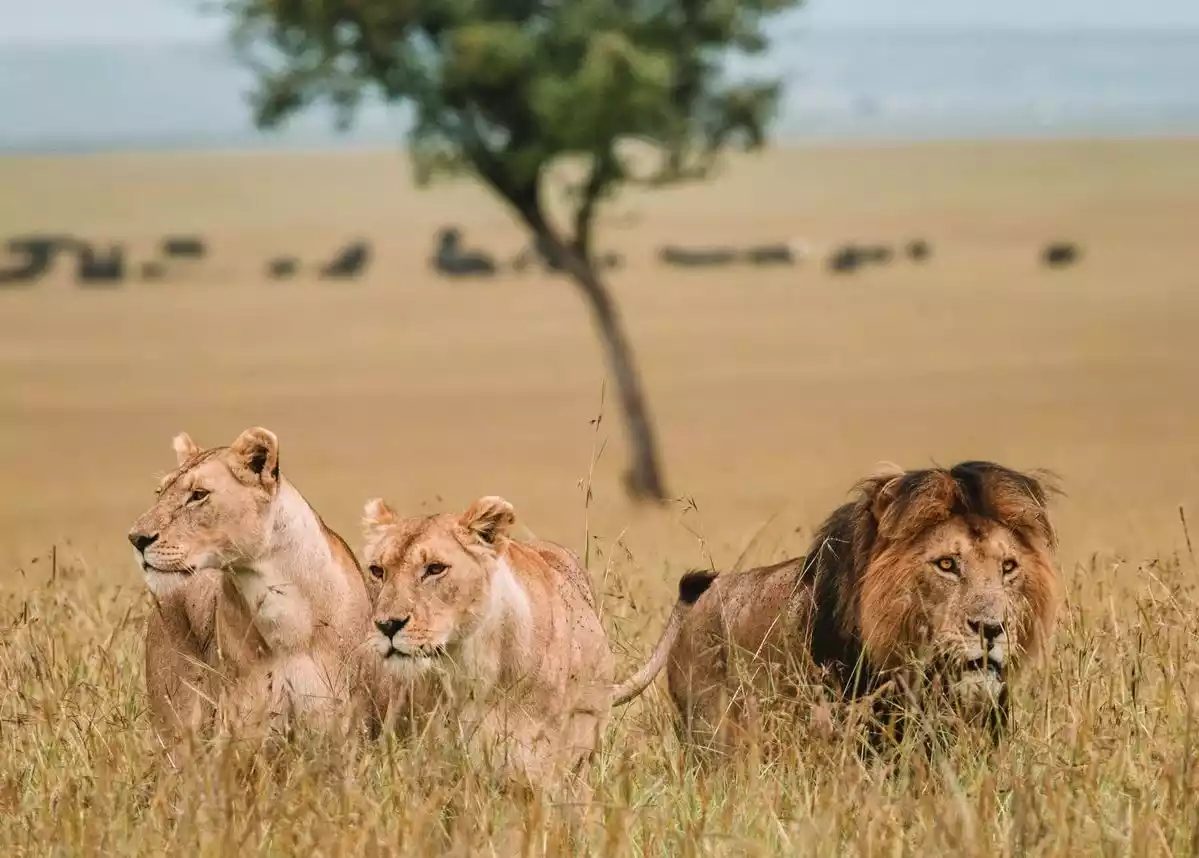
Tsavo East National Park
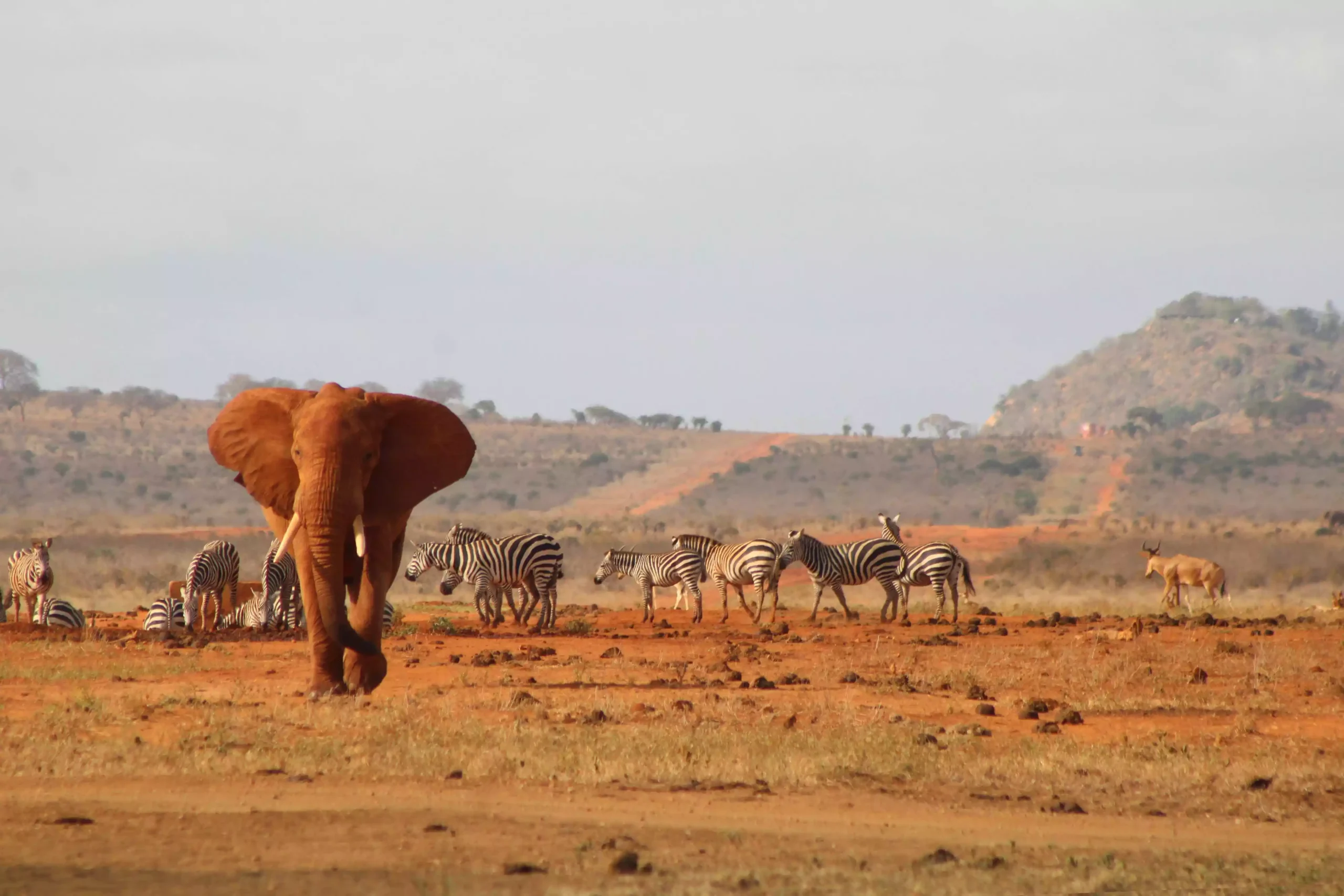
Tsavo East is the one reason alone to add a safari to a Kenya coast holiday. It is close, it is huge, and the wildlife is exceptional year round, not just in season. If you are staying in Mombasa, Diani, Malindi or Watamu, this is the park for you.
| Location |
Southeastern Kenya, coastal region |
| Area |
13,747 km² — Kenya’s largest national park |
| Distance |
~120 km from Mombasa (2–2.5 hours)
~80 km from Malindi via Sala Gate (1.5 hours)
~150 km from Diani (2.5–3 hours)
~100 km from Watamu (2 hours) |
| Climate |
Hot and dry. Cooler mornings and evenings. |
| Main wildlife |
Elephants, lions, leopards, cheetahs, buffalo,
hippos, crocodiles, gerenuks, lesser kudus. |
| Birdlife |
Over 500 recorded species. |
| Ideal for |
Day trips, overnight safaris, multi-day stays. |
| Best months |
All year round.
Best time for wildlife viewing: January–March and July–October. |
Why Tsavo East Should Be on Your Kenya Coast Itinerary
1. Easy Access from the Coast
Unlike most Kenyan national parks that require a flight to Nairobi, Tsavo East is directly accessible from the coast.
- 2 to 2.5 hours from Mombasa
- Under 2 hours from Malindi (via Sala Gate)
- Easy early morning departure from Diani and Watamu
No flights. No complicated transfers. Just a relaxed morning drive into the wilderness.
2. The Most Practical Coastal Safari
Thanks to its location, Tsavo East is the smartest safari option for travelers staying at the beach. You can make the most of your holiday time without giving up the safari experience.
3. Vast, Wild and Spectacular
Practical does not mean ordinary.
Tsavo East is one of Africa’s largest wilderness areas, with:
- Wide semi arid plains
- Endless acacia woodland
- The Galana River, which draws wildlife year round
- Huge skies and dramatic landscapes
And the best part. You can leave your beach hotel in the morning and be on safari before lunch.
Wildlife in Tsavo East: What Lives Here and What You Can Expect to See
Tsavo East is home to one of Kenya’s largest wildlife populations. Here is a realistic overview of what you might encounter on safari, and what takes a bit more patience and luck.
Elephants: Tsavo’s Red Giants
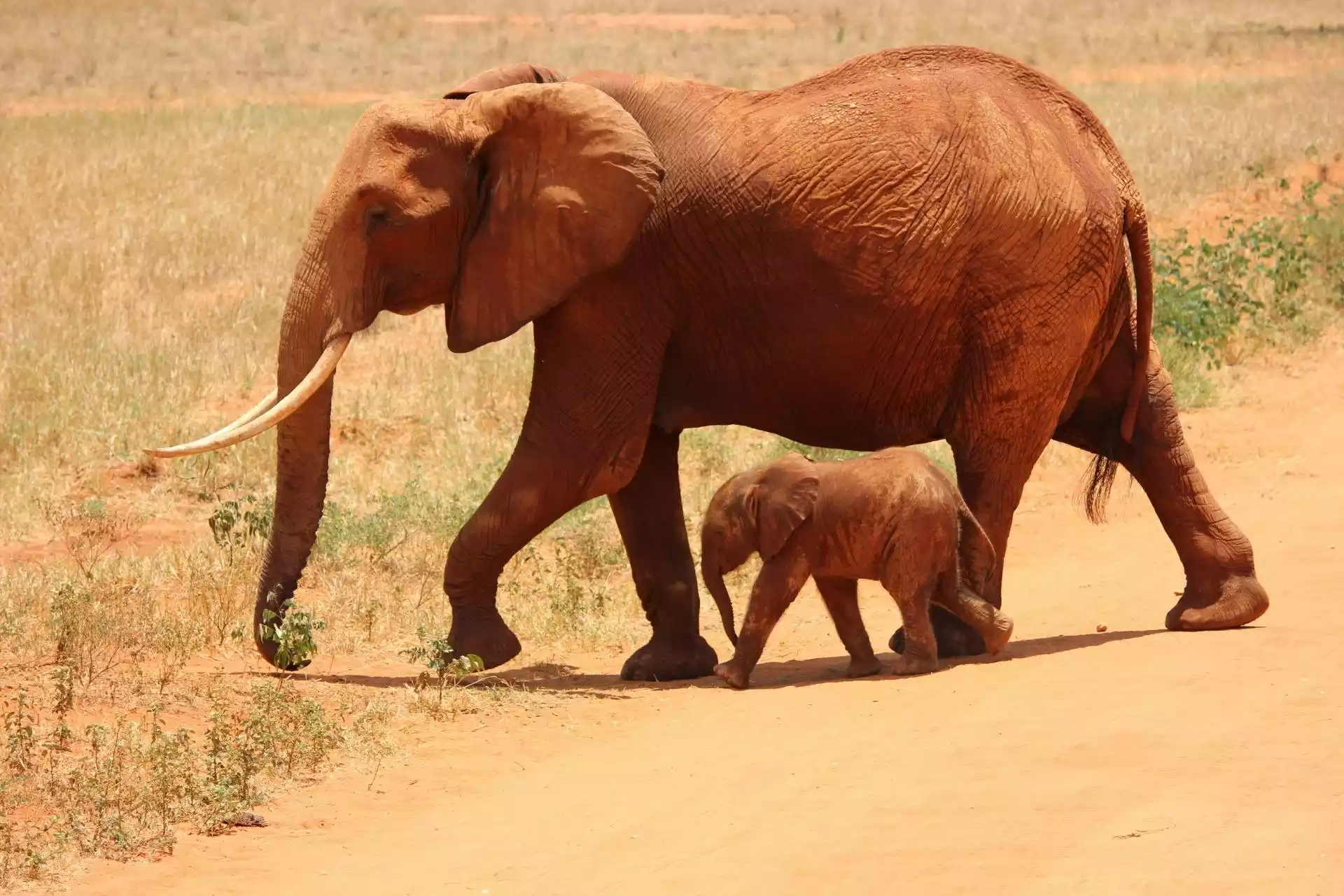
Tsavo East is famous for its red elephants, colored a deep ochre by the park’s iron rich soil. It is a truly unique sight you will not see anywhere else in Kenya.
With thousands of large tusked, semi nomadic elephants roaming the open plains, sightings are almost guaranteed on a full day safari. Many herds come down to the Galana River to drink, offering close encounters you will never forget.
Lions: Descendants of the Tsavo Man Eaters
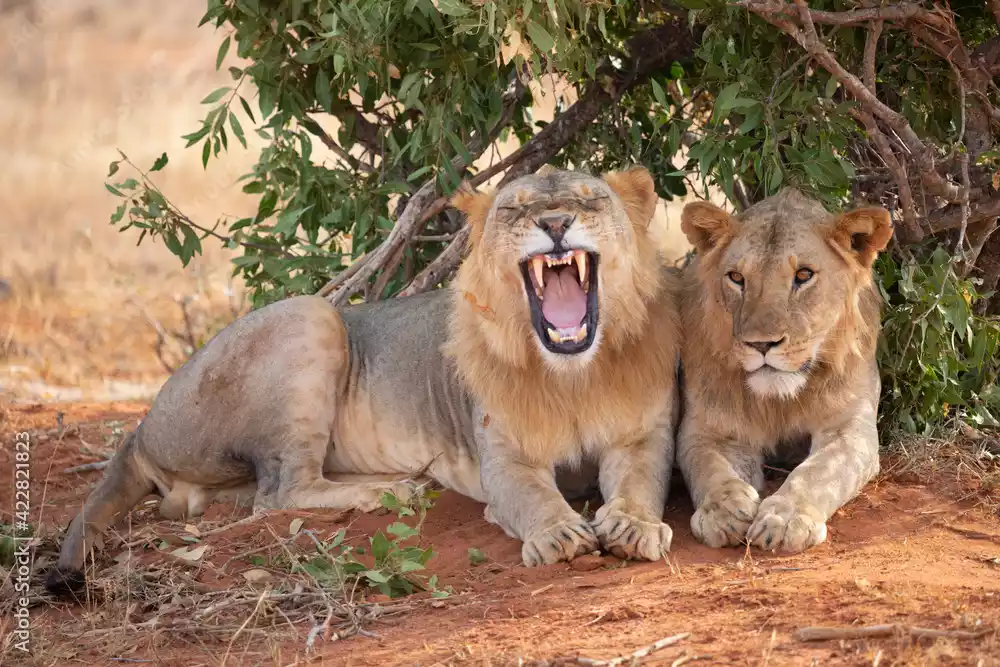
Tsavo East is famous as the home of the “Tsavo man eaters,” two lions that terrorized railway workers in 1898. Today, the park’s lion population is healthy and widespread.
Tsavo’s lions are unusual: many males are maneless or have thin manes, an adaptation to the hot, dry climate. They are harder to spot than lions in other parks, but experienced guides know where to look, often near rocky kopjes or along the Galana River.
Leopards, Cheetahs and Other Predators
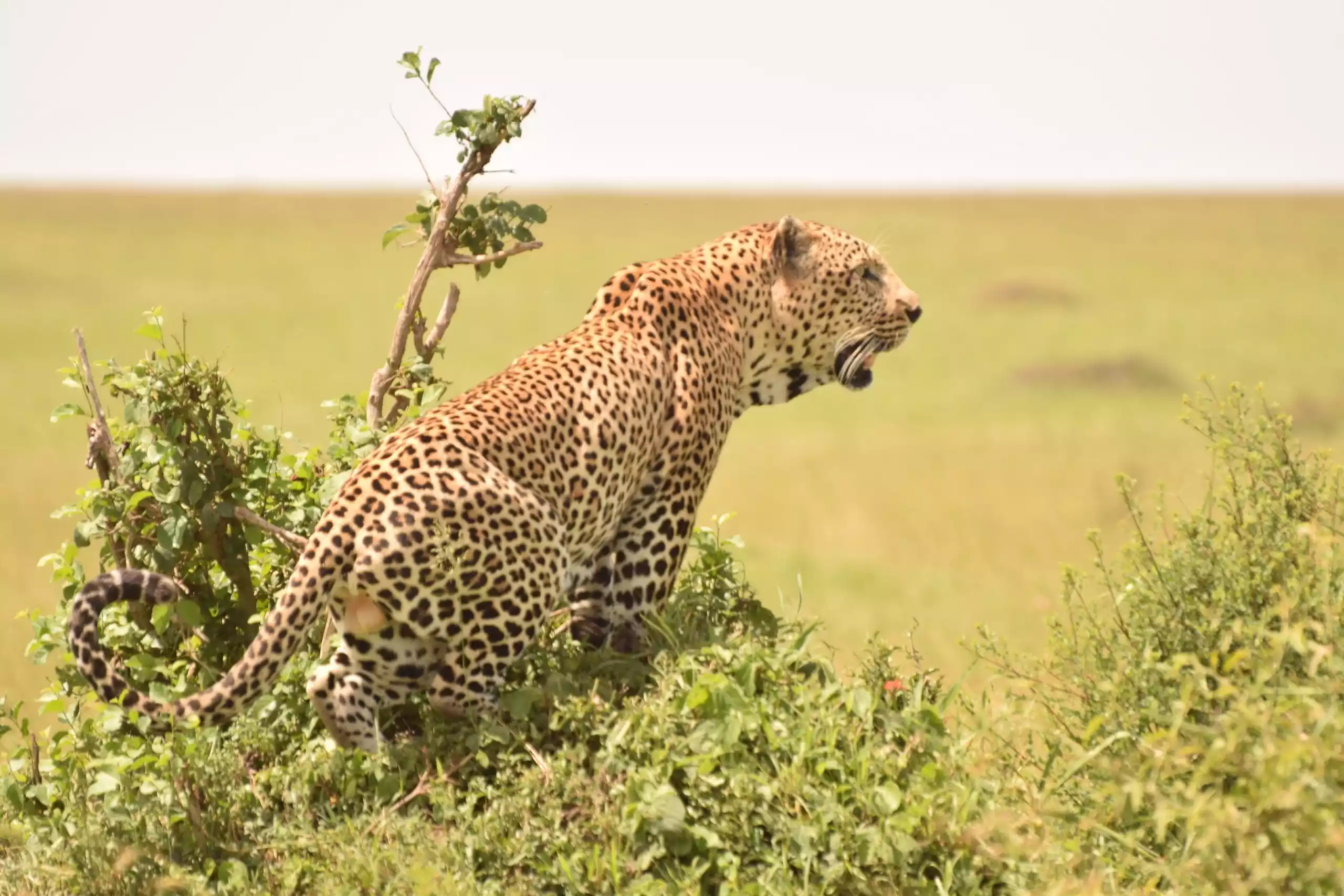
Leopards roam throughout Tsavo East, but they are elusive and often rest in trees after a night of hunting. Sightings are not guaranteed, but they are not rare either.
Cheetahs favor the open plains, while wild dogs appear occasionally. Hyenas are common, especially near the Galana River.
Buffalo, Hippos and Crocodiles on the Galana River
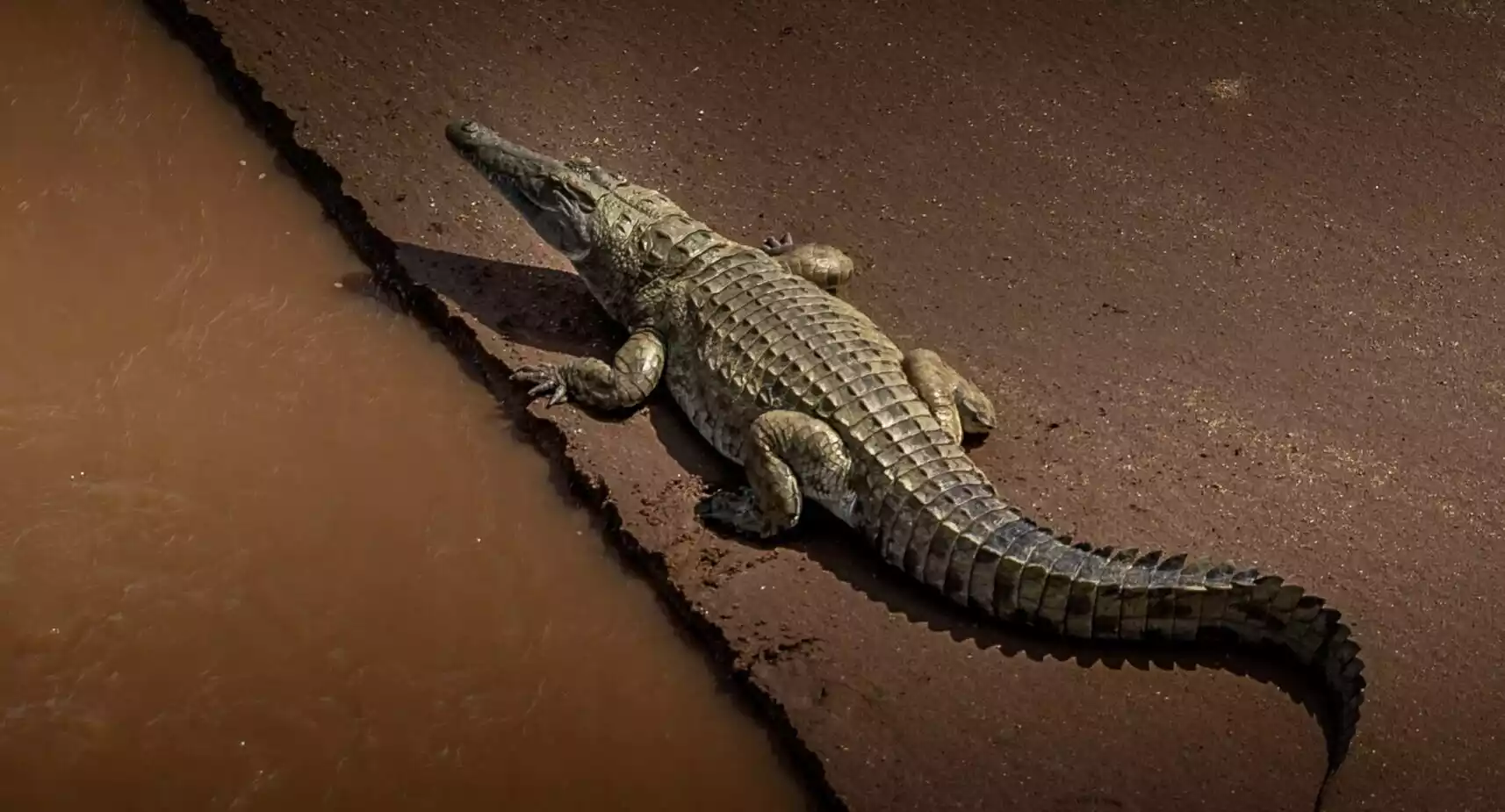
The Galana River is Tsavo East’s lifeline, drawing wildlife during the dry season. Huge buffalo herds, sunbathing hippos and imposing Nile crocodiles all converge along its banks.
Watching a crocodile on the riverbank while a buffalo herd drinks nearby is a classic African safari moment you will never forget.
Unique Species: Gerenuk and Lesser Kudu
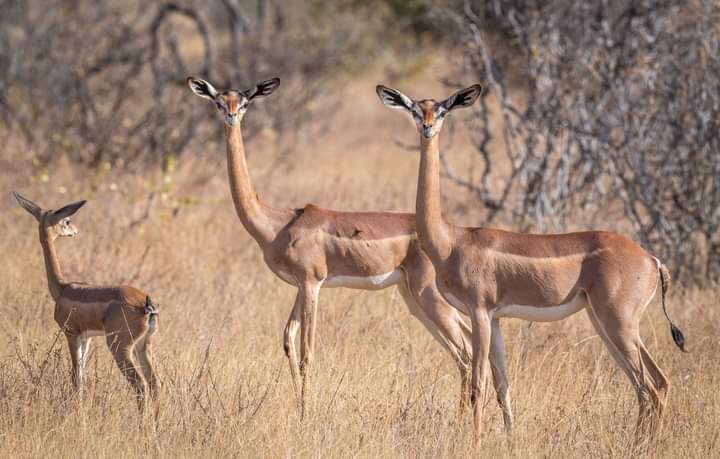
Tsavo East is home to species rare elsewhere in Kenya. The gerenuk, or “giraffe gazelle,” stands on its hind legs to browse acacia leaves, a truly remarkable sight.
The lesser kudu shows off elegant spiral horns and striking white stripes. Both species represent the unique ecosystem of Tsavo East’s dry country.
Birdlife in Tsavo East: Over 500 Species
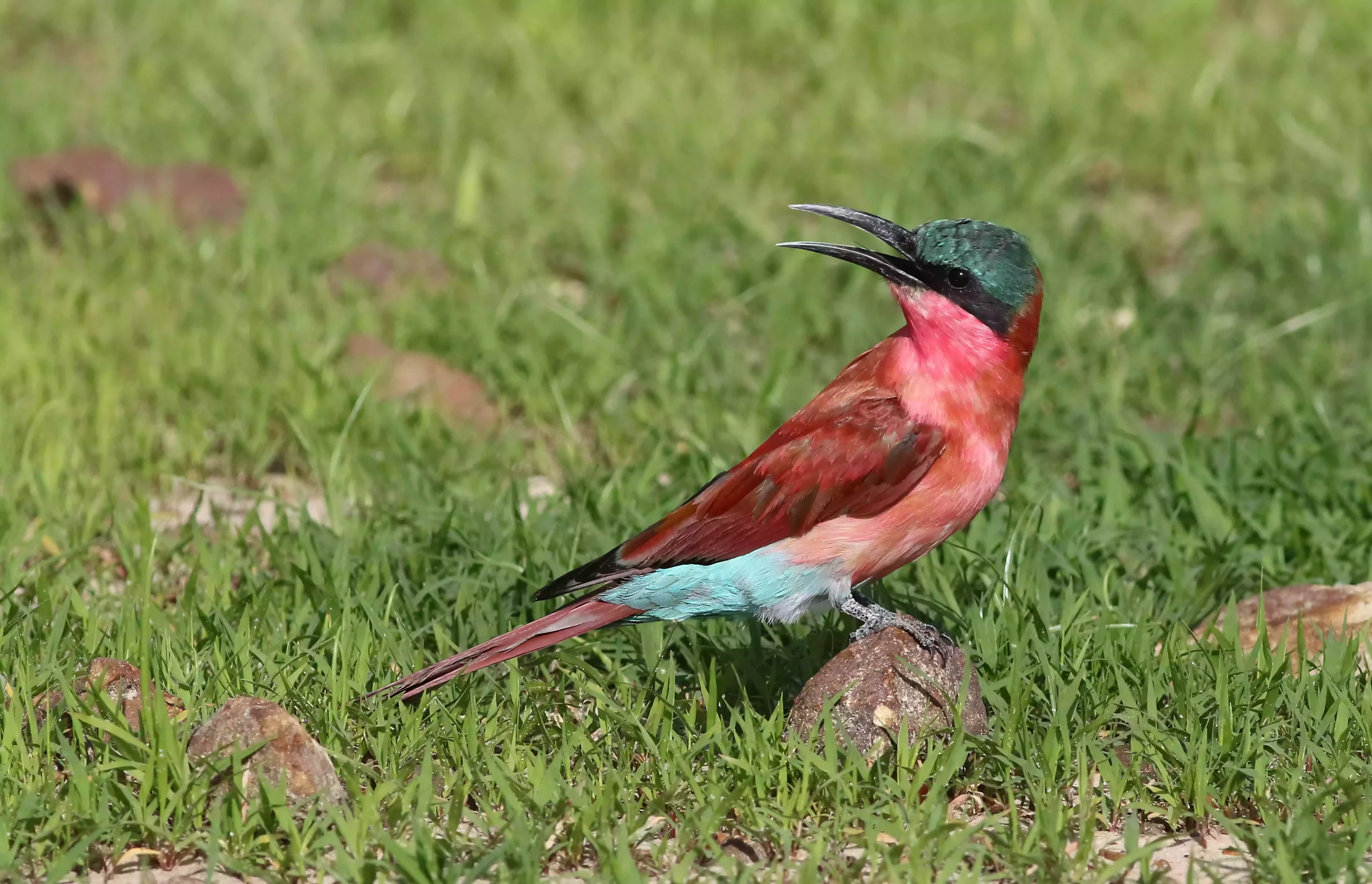
Tsavo East is a paradise for birdwatchers, with over 500 species including the carmine bee eater, secretary bird, martial eagle, Somali ostrich, Von der Decken’s hornbill and numerous kingfishers along the Galana River.
Even casual visitors will notice birds like the lilac breasted roller, Kenya’s most photographed bird, perched on termite mounds and acacia branches throughout the park.
Day Trip, Overnight or Multi Day? Here’s How to Decide.
| Safari Type |
Description |
Duration / Notes |
Ideal For |
| Tsavo East Day Trip from the Coast |
The Tsavo East day trip is very popular from Mombasa, Malindi and Watamu. Depart early (around 6 AM) for a morning game drive, take a midday break at a lodge or picnic area, then enjoy an afternoon game drive before heading back to the coast. |
12 to 14 hours door to door |
Guests with one free day, families with young children, guests staying near Sala Gate |
| Overnight Tsavo East Safari (2 Days / 1 Night) |
One night in the park transforms the experience. Arrive in the afternoon, take a sunset game drive, stay overnight at a safari camp, and take a morning game drive before check out. Highlights include dawn and dusk drives, active predators and abundant wildlife. |
2 days / 1 night |
Couples, wildlife enthusiasts, first time visitors wanting a real savannah adventure |
| Multi Day Tsavo East Safari (3 to 5 Days) |
Three or more days let you explore the northern Tiva River, the Galana corridor, Aruba Dam and the eastern plains. Longer trips can combine Tsavo East with Tsavo West or a night in Amboseli. |
3 to 5 days |
Wildlife enthusiasts, repeat visitors, honeymoon couples, anyone wanting to visit multiple parks |
What to Know Before You Go
Entry Gates and How to Get In
Tsavo East has several entry points:
- Voi Gate: the main gate from Mombasa via the Nairobi-Mombasa highway (about 2.5 hours).
- Sala Gate: preferable from Malindi and Watamu, closer, less traffic, and leads to excellent eastern game viewing areas.
We handle all the gate logistics, including park fees through the Kenya Wildlife Service’s electronic ticketing system, so you do not need to worry about a thing.
Park Entry Fees (Kenya Wildlife Service)
Tsavo East is managed by the Kenya Wildlife Service (KWS). Non resident adults pay a daily per person fee, while children get reduced rates. Residents have separate rates.
All fees are paid electronically at the gate, no cash needed. Park entry fees are included in the quoted price, so there are no extra costs on arrival.
What to Pack for a Tsavo East Safari
- Clothing: light, neutral colors (khaki, olive, gray, beige). Avoid bright colors and white. Bring a light fleece or jacket for the early morning.
- Sun protection: sunscreen, a hat and sunglasses.
- Gear: binoculars, a camera with a zoom lens, a reusable water bottle.
- Footwear: closed shoes for walking in the savannah, if needed
The Best Time to Visit Tsavo East
Tsavo East is a great safari destination year round, but the best time for wildlife viewing is during the dry season: January to March and July to October, when animals gather around waterholes and visibility is excellent.
The rainy season (April to June, November) brings lush scenery, rich birdlife and better accommodation rates. Some tracks can be difficult to drive, but the park remains accessible, a great option for budget conscious travelers or anyone looking for quieter surroundings.
Accommodation in Tsavo East: From Budget Camps to Luxury Lodges
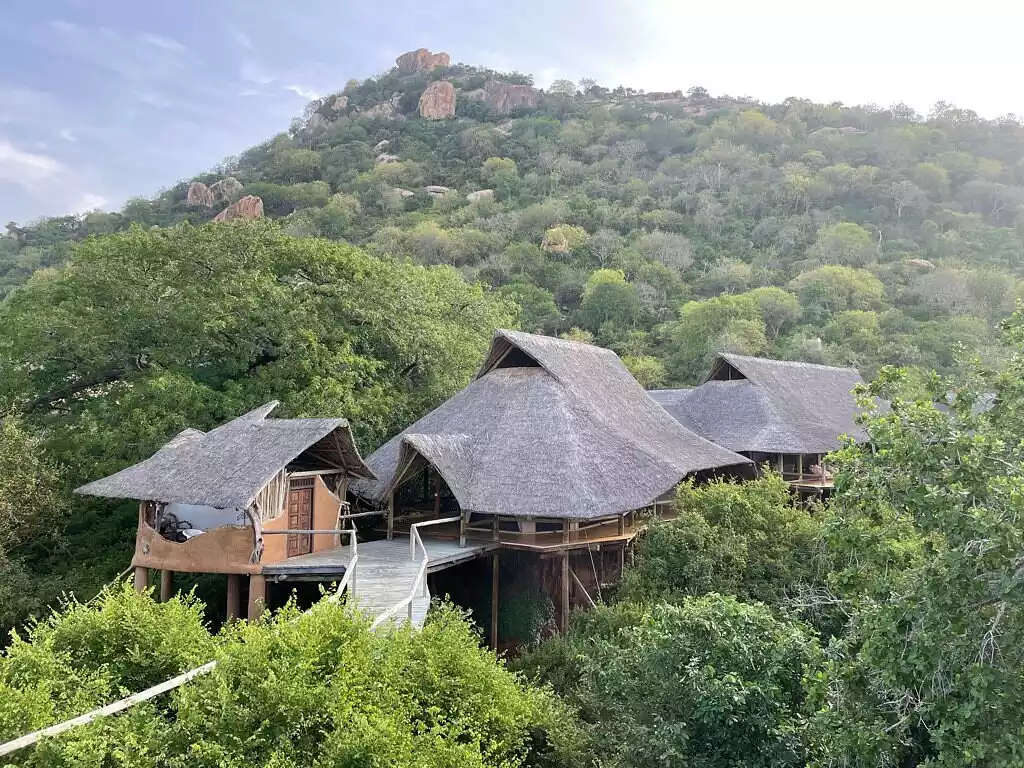
Tsavo East offers options for every budget: from simple tented camps near the Galana River, to mid range lodges with a pool and full board, to luxury camps with private safaris and elevated viewing decks.
The main lodge cluster is near Voi and Aruba Dam. The eastern area around Sala Gate is quieter and more secluded, ideal for guests who want fewer vehicles and a more private atmosphere.
We work with a carefully selected group of properties and recommend the one that best fits your budget, your group size and your needs.
Mid range lodges in Tsavo East offer great value, and you do not need to choose an ultra luxury property to have an unforgettable safari experience.
Tsavo East National Park, Frequently Asked Questions
How far is Tsavo East from Mombasa?
Tsavo East is about 120 km from Mombasa, roughly 2 to 2.5 hours by road via the Nairobi-Mombasa highway, entering through Voi Gate.
From Malindi, via Sala Gate, the distance is shorter, about 80 km (1.5 hours).
Can you see the Big Five in Tsavo East?
Tsavo East is home to four of the Big Five: elephants, lions, leopards and buffalo. Rhinos are not present in Tsavo East.
For rhino sightings, Tsavo West has a protected sanctuary, while Ol Pejeta Conservancy near Nanyuki is one of Kenya’s best destinations for seeing these animals.
Even without rhinos, Tsavo East remains a world class destination, especially for its enormous elephant population and vast wilderness area.
What is the difference between Tsavo East and Tsavo West?
Tsavo East is bigger, drier and more open, ideal for large herds of elephants and buffalo and for the classic red earth landscape.
Tsavo West is greener and more varied, known for Mzima Springs and better chances of spotting rhinos.
Both are excellent, but for first time visitors to the area, Tsavo East is often the better starting point.