Tsavo West National Park
Most people visiting Tsavo start with Tsavo East, and that’s fair enough, it’s a fantastic park. But guests who come back to Kenya a second time almost always say the same thing:
“I wish someone had told me about Tsavo West.”
Here’s the thing. Tsavo West differs from its twin in terrain, wildlife density and overall atmosphere. It’s reachable from the Kenyan coast in under three hours, and it deserves far more attention than it usually gets.
| Location |
Southeastern Kenya, straddling the Nairobi–Mombasa highway |
| Size |
9,065 km² (Kenya’s second-largest national park) |
| Distance |
• ~250 km from Mombasa (2.5–3 hrs via Mtito Andei Gate)
• ~280 km from Diani (3–3.5 hrs)
• ~290 km from Malindi (3–3.5 hrs)
• ~270 km from Watamu (3 hrs) |
| Climate |
Warm and varied. Cooler on the hills, drier near the plains. |
| Wildlife |
Elephants, black rhinos, lions, leopards, buffalo, hippos, cheetahs, wild dogs, zebras, giraffes, and the hippos of Mzima Springs |
| Birdlife |
Over 500 recorded species |
| Best for |
One- or two-night safaris, and combined Tsavo East + West trips |
| Best months |
Year-round. Peak sightings: January–March and July–October |
| Signature experience |
Underwater viewing chamber for hippos at Mzima Springs |
Why Tsavo West is worth the extra drive
Tsavo East and Tsavo West sit side by side, split by the Nairobi-Mombasa highway, sharing a history and an ecosystem but very little in character.
Tsavo East is open, vast and famous for its red earth. Tsavo West is volcanic, hilly and green, shaped by ancient lava flows, rocky outcrops, seasonal rivers and a landscape that keeps shifting as you drive through it. The scenery alone justifies the trip.
Tsavo West is also home to black rhinos, protected inside the Ngulia Rhino Sanctuary, a sanctuary for the critically endangered eastern black rhino. Sightings are never guaranteed, but your odds here are among the best in southern Kenya.
Then there’s Mzima Springs, where crystal-clear pools are fed by underground lava channels running from the Chyulu Hills. Hippos and crocodiles swim in water so clear you can watch them from an underwater observation chamber, one of the most unusual wildlife experiences Kenya has to offer.
Tsavo West rewards travelers who give it time. It isn’t a park to rush through. It’s a park to explore.
Wildlife in Tsavo West: what you’ll find in Kenya’s volcanic wilderness
Tsavo West’s varied terrain, from lava flows to riverine forest to open plains, supports an extraordinary range of species. Here’s what you can realistically expect to see.
The black rhino: the most endangered of Kenya’s Big Five
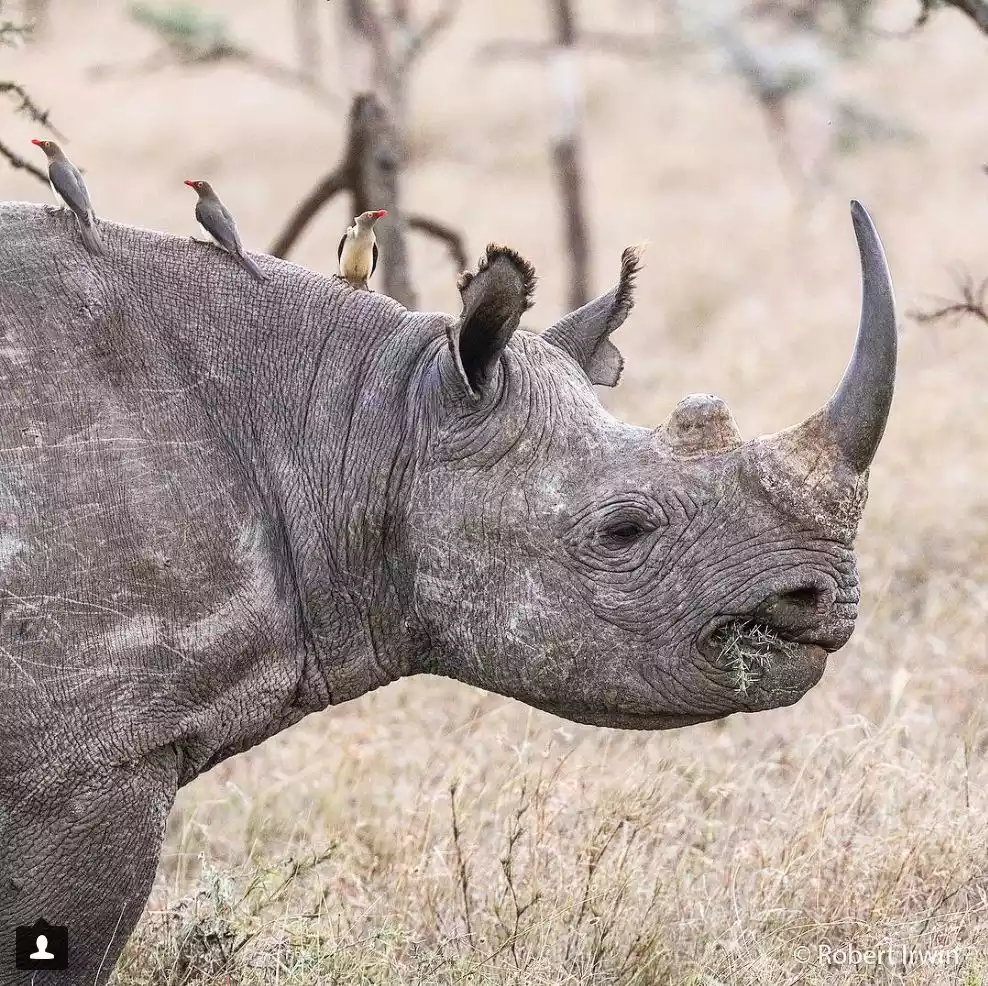
Tsavo West is one of Kenya’s key strongholds for the critically endangered eastern black rhino. The Ngulia Rhino Sanctuary, a fenced 90 km² area within the park, holds a growing, carefully managed population.
Black rhinos are solitary and elusive by nature, so a sighting can never be guaranteed, and anyone who promises one is overselling it. Still, Tsavo West remains one of the best places in southern Kenya to try, thanks to dedicated conservation management and active ranger monitoring.
For guests hoping to complete the Big Five, or simply interested in rhino conservation, Tsavo West is the right call from the coast.
Elephants: Tsavo’s famous tuskers
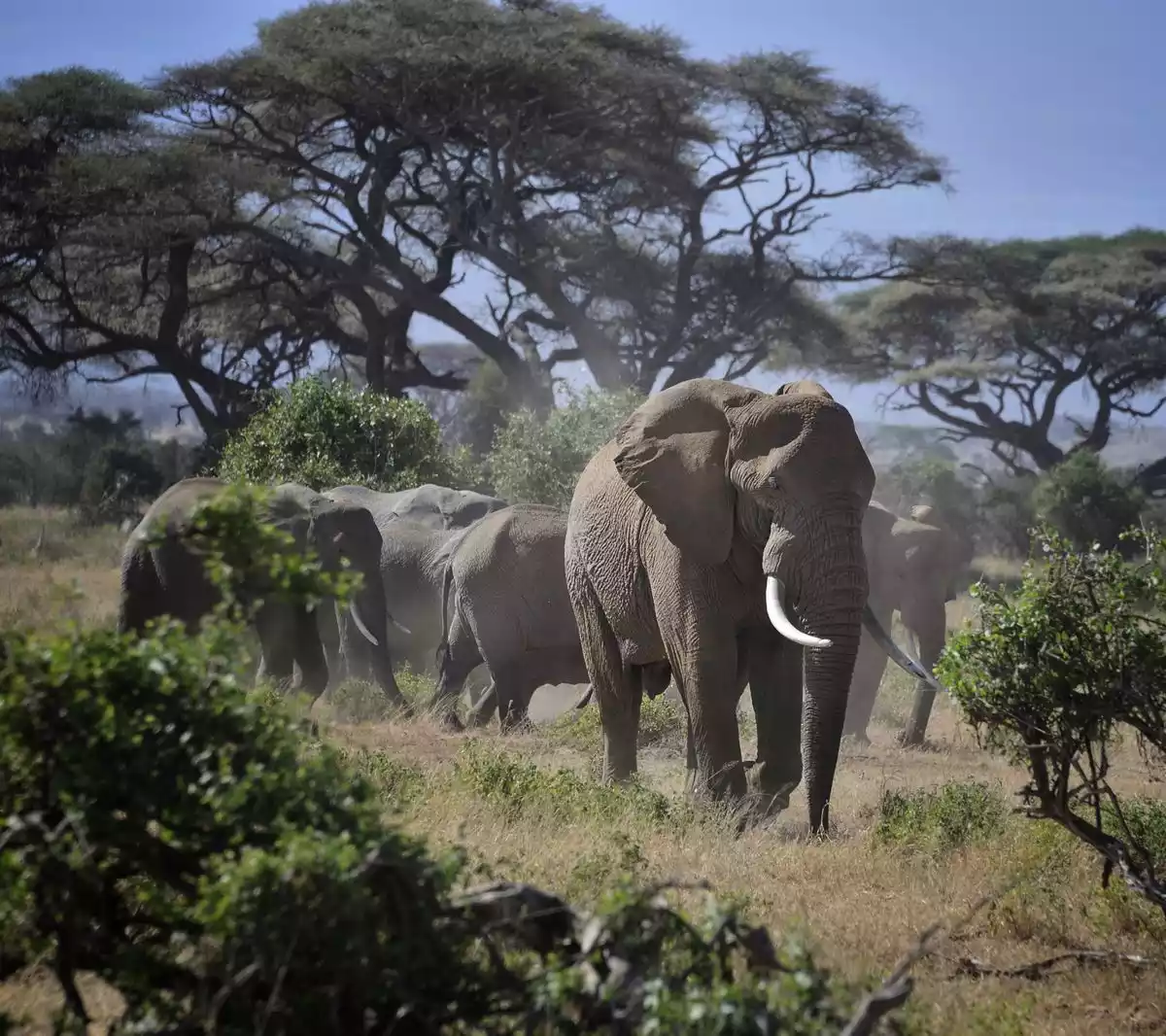
Tsavo West shares its elephant population with Tsavo East. Both parks belong to the wider Tsavo ecosystem, connected by wildlife corridors that let elephants move freely between the two.
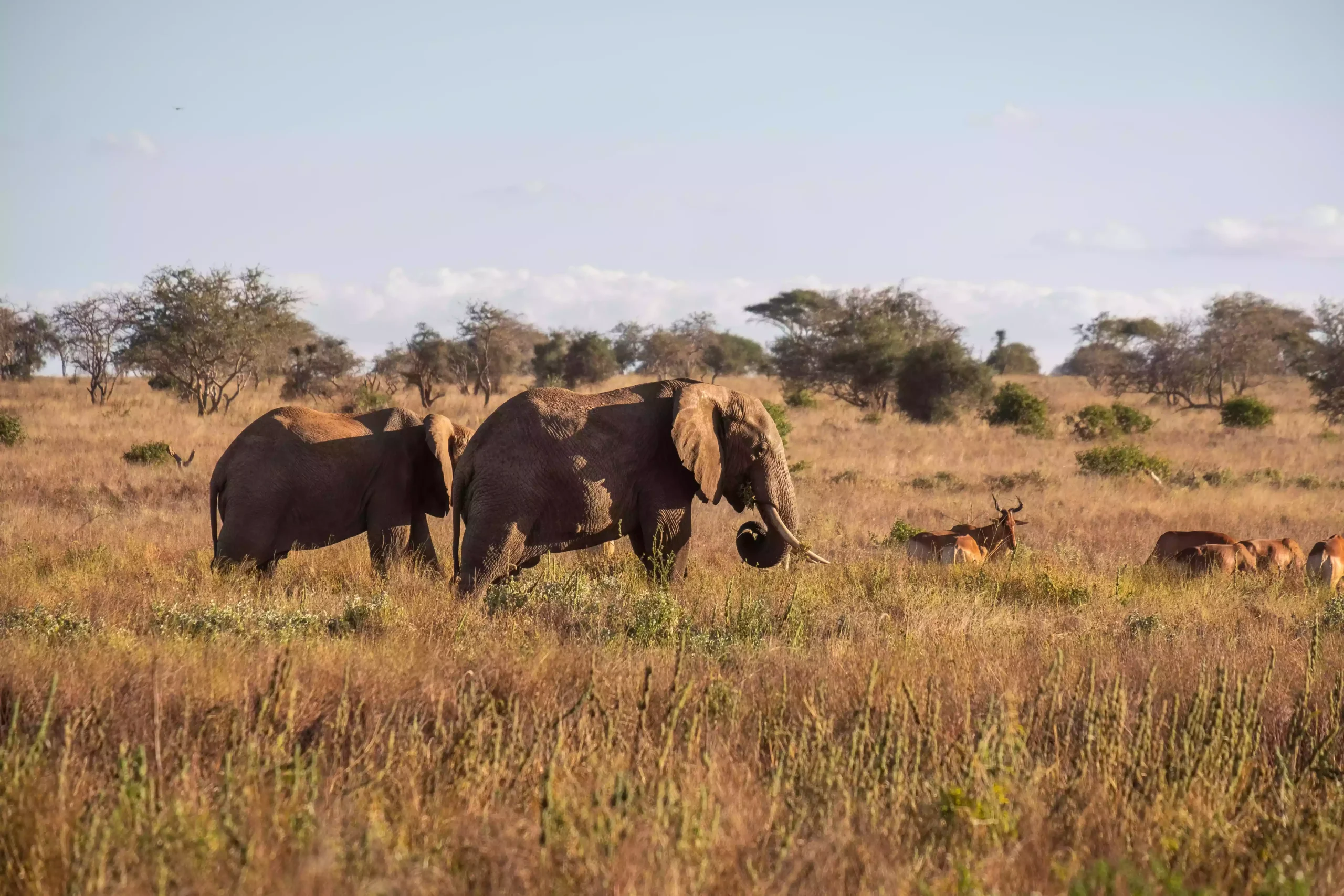
In Tsavo West, elephants are often spotted near the Chyulu Hills and around Mzima Springs. They’re less concentrated than on the open plains of Tsavo East, but sightings here tend to feel closer and more intimate, especially in the denser bush.
Lions and leopards in the Tsavo West savannah
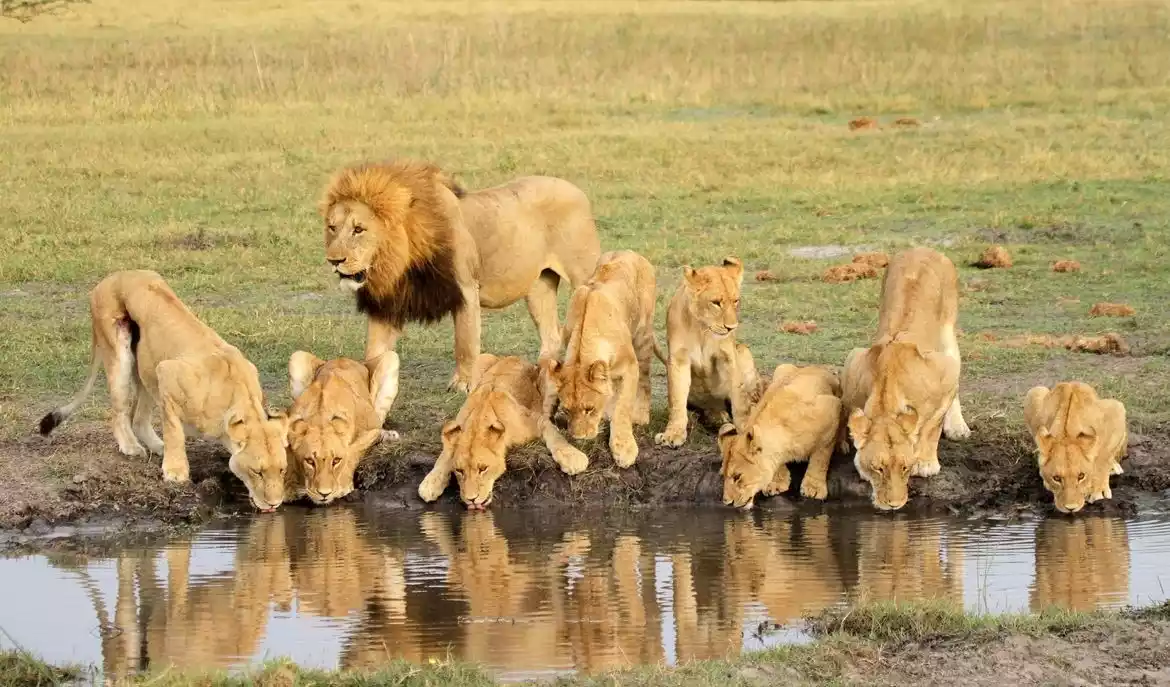
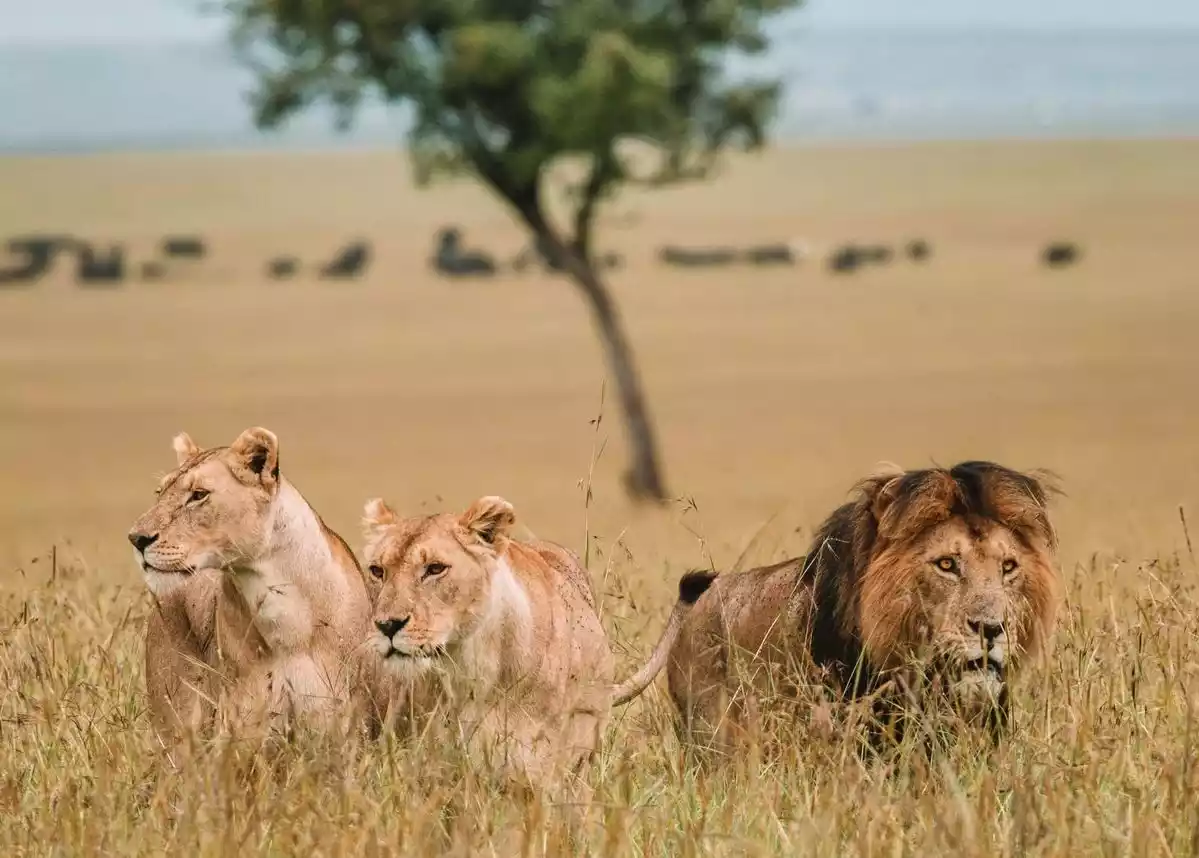
The thick vegetation and rocky terrain of Tsavo West create ideal lion habitat. Prides here tend to be smaller than in open savannah parks, but they make good use of the kopjes and riverine cover. Early morning and late afternoon game drives near the Tsavo River and around Finch Hattons offer the best chances of a sighting.
Leopards are present but elusive, and they thrive in the park’s hilly, rocky landscape. Where night drives are permitted on nearby private conservancies, they can significantly improve your odds of spotting one.
Hippos and crocodiles at Mzima Springs
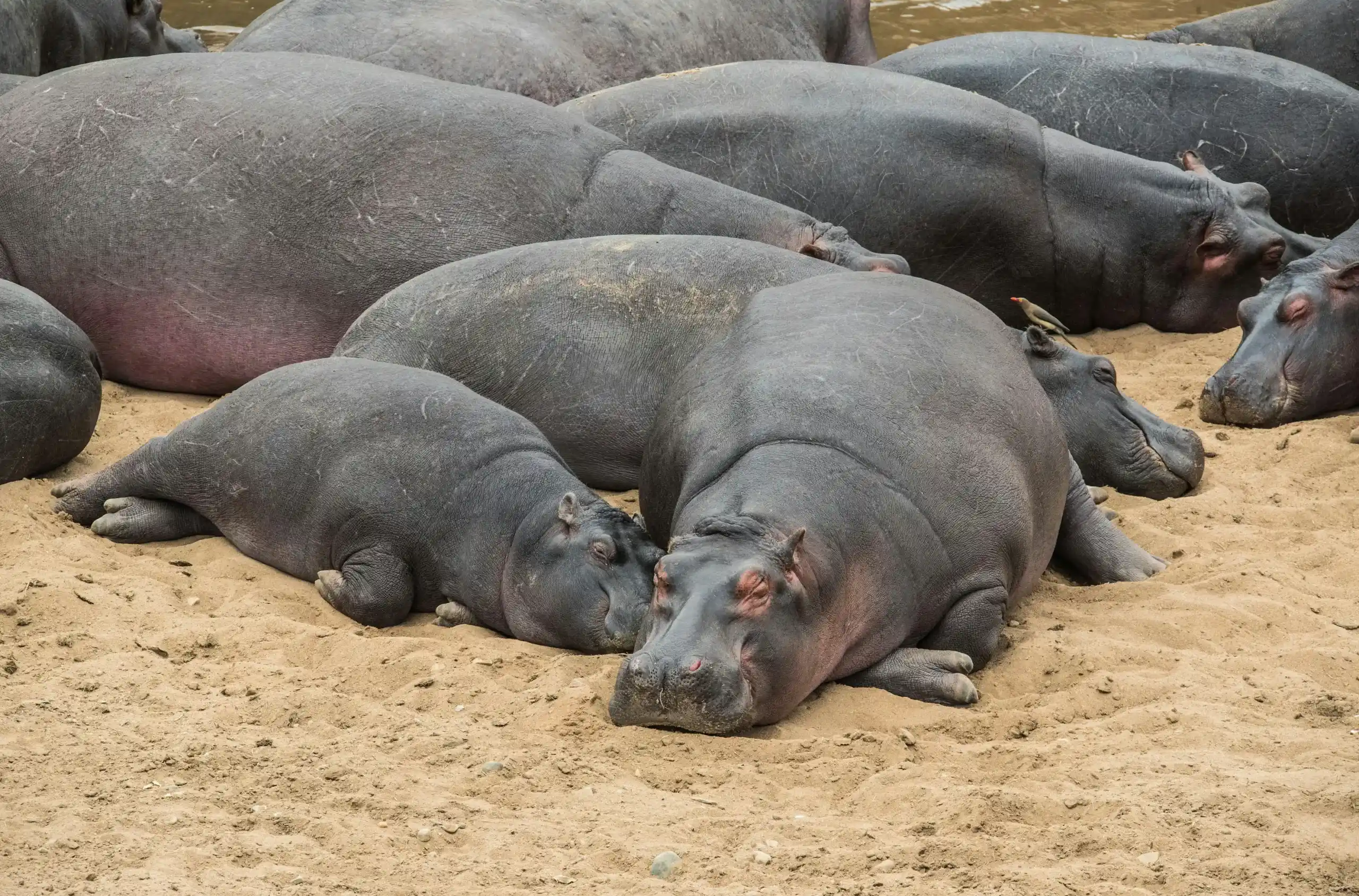
Mzima Springs is one of Kenya’s most singular wildlife sites. Crystal-clear water, filtered through ancient volcanic rock, keeps the pools remarkably transparent. The hippos here are permanent residents, and unusually tolerant of visitors.
An underwater observation chamber lets you watch hippos moving along the riverbed, interacting with each other and with the large Nile tilapia that share the water: a rare, quiet experience, and a world away from a typical game drive.
Zebras, giraffes, buffalo and plains game
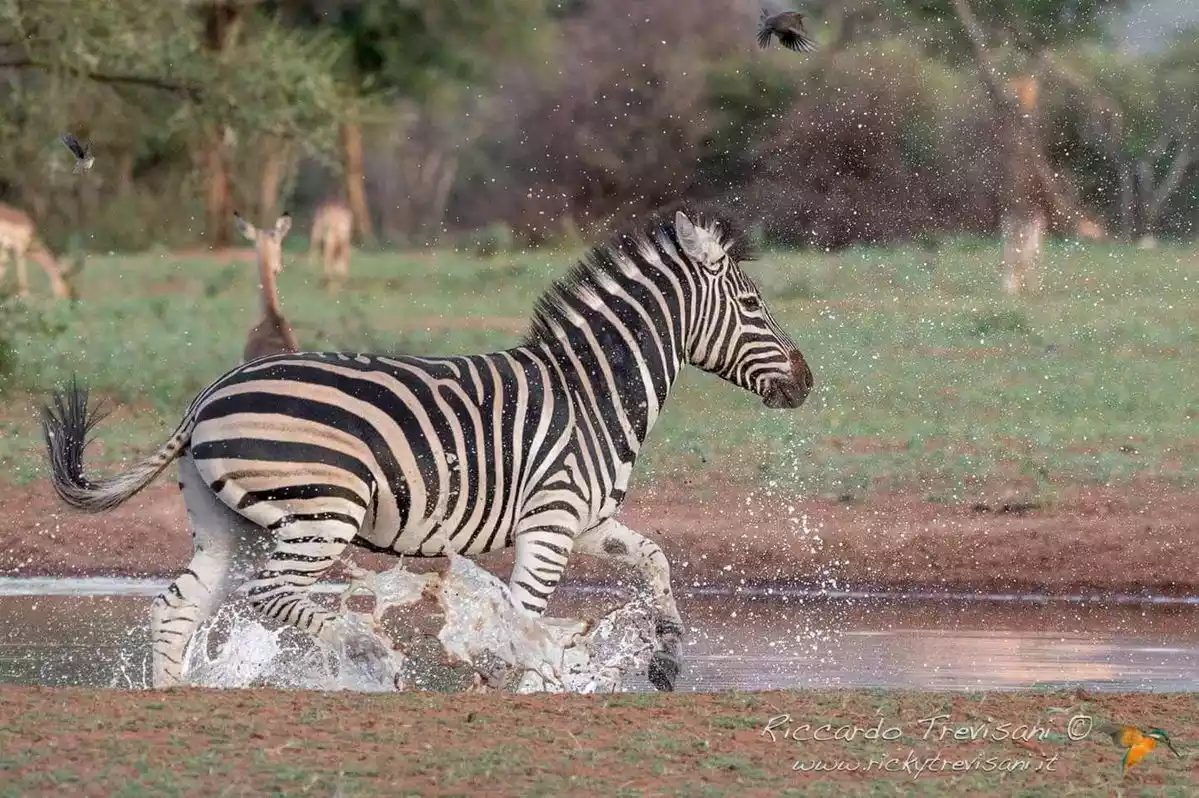
Tsavo West’s varied terrain supports a wide range of plains game. Maasai giraffes graze among the acacia woodlands in the west, large buffalo herds move through the valleys, and zebras gather on the open plains near Kilaguni and the seasonal waterholes.
Because the landscape keeps changing, a Tsavo West safari rarely feels repetitive. Each area has its own character.
Wild dogs: rare, but present
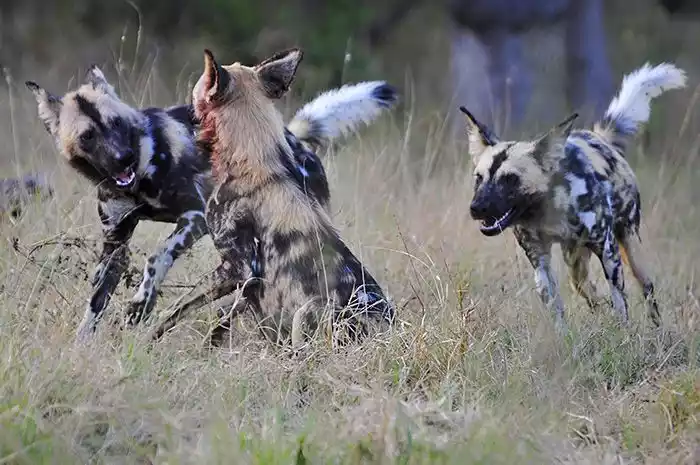
African wild dogs, among the continent’s most endangered predators, have been recorded in Tsavo West. Sightings are rare, but the park’s sheer size and low human presence give them an ideal habitat.
If you happen to come across a pack here, you’re witnessing one of the rarest wildlife encounters in Africa.
Birdlife in Tsavo West
Tsavo West is home to more than 500 bird species, a number similar to Tsavo East, though the mix is different thanks to the varied terrain.
The Ngulia Hills are one of East Africa’s major migratory stopover points. Between October and December, hundreds of thousands of Palearctic migrants pass through the area, and the annual Ngulia bird ringing exercise is one of Africa’s most productive bird monitoring sites.
For birders, a visit during the November migration is something special.
Mzima Springs: what it is, why it matters, and what to expect
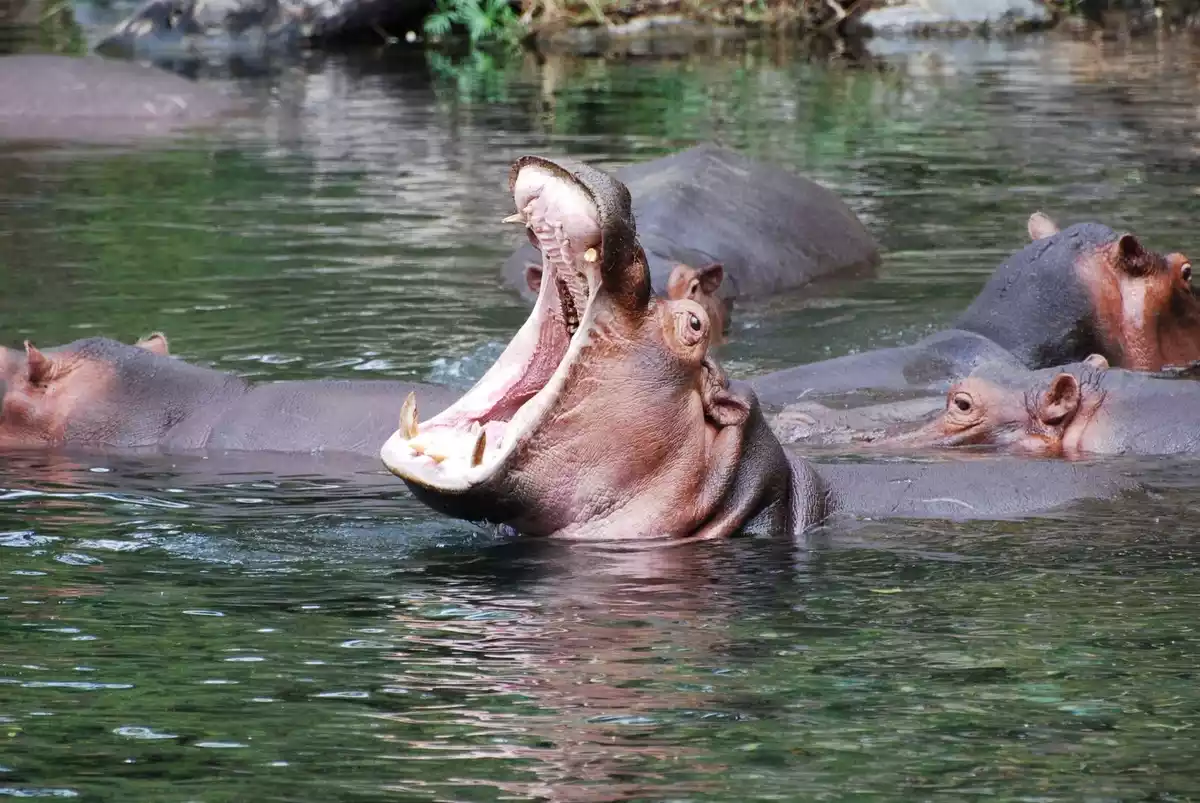
Mzima Springs is, without question, the most singular attraction in the whole Tsavo ecosystem. Fed by rainfall from the Chyulu Hills, the water filters through volcanic rock for over 50 km before emerging into crystal-clear pools, at a rate of around 50 million liters a day.
Two pools are open to visitors. The upper pool holds a resident pod of hippos and crocodiles. The lower pool has an underwater observation chamber, giving you a rare below-the-surface view of hippos on the move.
What sets Mzima apart is how clear the water is. You’re not just seeing shapes and shadows, you can make out real detail: the texture of the skin, the movement of fish, light filtering down through the water.
Plan on 30 to 45 minutes for the visit. A polarizing filter on your camera helps cut glare and makes for noticeably better photos.
How long should you spend in Tsavo West? An honest guide
Is a Tsavo West day trip worth it?
A day trip from Mombasa or Diani is possible, but it’s a demanding one. The drive is longer than to Tsavo East, and the park is really best explored at a slower pace.
If you only have one day, build your visit around Mzima Springs with two game drives, one on arrival and one in the late afternoon before heading back.
Best for: guests with just one day, especially those most interested in Mzima Springs or the rhinos.
An overnight Tsavo West safari (2 days / 1 night)
One night is enough to see Tsavo West properly: a late afternoon game drive, Mzima Springs, an early morning drive, and stops at the Shetani Lava Flow and Chaimu Crater.
Lodges like Kilaguni Serena sit above waterholes, so you can watch wildlife from the terrace after dark, a relaxed but still immersive way to experience a safari.
Best for: pretty much every type of guest. One night genuinely feels satisfying.
A combined Tsavo East and West safari (3 to 5 days)
This is the itinerary we recommend for the full Tsavo experience. You spend time in both parks, comparing the open red plains of Tsavo East with the green volcanic hills of Tsavo West.
The two parks are connected by the highway, forming a natural loop: enter Tsavo East through Voi or Sala Gate, drive west, exit at Mtito Andei, and head back to the coast.
Best for: first-time visitors to Kenya, serious wildlife enthusiasts, and guests with 4 to 5 days to spare.
Practical information for your Tsavo West safari
How to get to Tsavo West from the coast
The main gate from the coast is Mtito Andei Gate, on the Nairobi-Mombasa highway (about 250 km from Mombasa, 2.5 to 3 hours by road).
Other gates, like Tsavo Gate (on the Voi-Taveta road) and Ziwani Gate (to the southwest), serve specific lodges.
We usually leave early, around 5:30 to 6:00 am, from coastal hotels, to reach the gate while it’s still cool and start the game drive when animals are most active.
Park fees
Tsavo West is managed by the Kenya Wildlife Service (KWS). Non-resident adult rates apply per person, per day, and must be paid electronically at the gate through the KWS e-ticketing system. Cash isn’t accepted.
The Ngulia Rhino Sanctuary carries a small additional fee. All fees are already included in our quoted price, so there are no surprises at the gate.
What to pack
- Clothing: neutral colors (khaki, olive, grey), plus a light jacket for cooler evenings on the Ngulia hills
- Gear: binoculars for the dense bush, comfortable shoes for the Mzima Springs walkway
- Sun protection: a wide-brimmed hat and sunscreen
Best time to visit Tsavo West
- Dry season (January to March, July to October): best for wildlife viewing, as animals gather around permanent waterholes
- Bird season (October to December): the Ngulia Hills migration, a spectacular event for birders
- Green season (April to June, November): fewer tourists, lush scenery, dramatic skies, great for photography
Where to stay in Tsavo West: lodges and camps
Luxury lodges and stays
Kilaguni Serena Safari Lodge – Kenya’s oldest safari lodge (built in 1962), overlooking a waterhole with views of the Chyulu Hills. Mid-range in price and quality, and a classic base for exploring Tsavo West.
Finch Hattons Luxury Camp – A high-end tented camp named after Denys Finch Hatton, with stylishly furnished tents, private terraces and conservation-focused safari experiences.
Other lodges and private camps
Ngulia Safari Lodge – Set near the rhino viewing platform at Ngulia Rhino Sanctuary, with excellent views over the plains and the sanctuary, and support for local conservation work.
Voyager Ziwani Camp and other mid-range tented camps offer comfortable safari stays overlooking a waterhole or river.
Severin Safari Camp and other boutique tented camps combine quality with a real sense of immersion in nature.
Tsavo West National Park: Frequently Asked Questions
Can you see rhinos in Tsavo West?
Yes. The Ngulia Rhino Sanctuary is home to eastern black rhinos. Sightings are possible but not guaranteed, since these animals are solitary, shy and mostly active at night. Your best chance is a morning game drive with a ranger guide. No operator can promise a sighting, and anyone who does is overselling it.
What’s the difference between Tsavo East and Tsavo West?
Tsavo East: bigger, flatter, drier and more open. Great for large elephant herds, wide-open game drives and that iconic red-earth scenery.
Tsavo West: smaller, hillier, greener and geologically striking. Great for Mzima Springs, rhinos, birdwatching and varied terrain.
Both parks are excellent. First-time visitors with limited time often start with Tsavo East. If you have a few extra days, combining both parks is well worth it.
How far is Tsavo West from Mombasa?
About 250 km via the Nairobi-Mombasa highway (Mtito Andei Gate), roughly 2.5 to 3 hours by road. That’s longer than the drive to Tsavo East, so we recommend at least one overnight stay to make the trip more enjoyable.
Can you combine Tsavo West and Tsavo East in one trip?
Absolutely. The two parks share a border along the Nairobi-Mombasa highway. A 3 to 5 day itinerary lets you visit both without doubling your travel time. It’s one of our most popular multi-day safari packages from the coast.