Tsavo is Kenya’s largest protected area, split into two parks by the Nairobi to Mombasa highway and railway line. Tsavo East is flat, dry and open, known for its red-dusted elephants. Tsavo West is hillier and greener, with springs, volcanic rock and a dedicated rhino sanctuary. Together they’re the closest major wildlife area to Malindi, Watamu and Diani, and most of our coast-based safaris are built around one or both.
Why Visit Tsavo?
Tsavo East and Tsavo West together cover around 22,000 square kilometres, close to 4% of Kenya’s total land area, and rank among the largest game sanctuaries anywhere on the continent. Despite sharing a name and a border, the two feel genuinely different on the ground. Tsavo East trades density for scale, wide plains and long horizons where the reward is space rather than a queue of vehicles at every sighting. Tsavo West is more compact and varied, with volcanic hills, lava flows and natural springs packed into a smaller area, plus one of Kenya’s most important black rhino sanctuaries. Both parks also carry a well-known piece of history, the “man-eaters of Tsavo,” two lions that killed railway workers building the Nairobi to Mombasa line in 1898, a dramatic story from the past rather than anything visitors need to think about today.
Wildlife in Tsavo
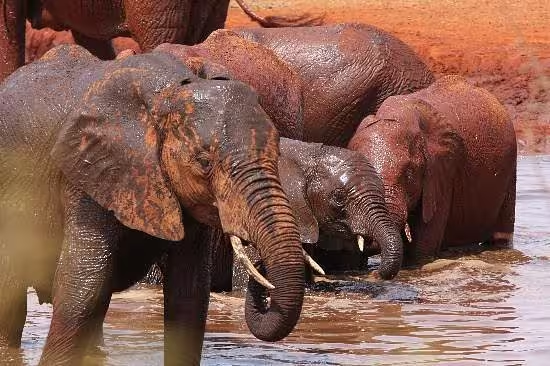
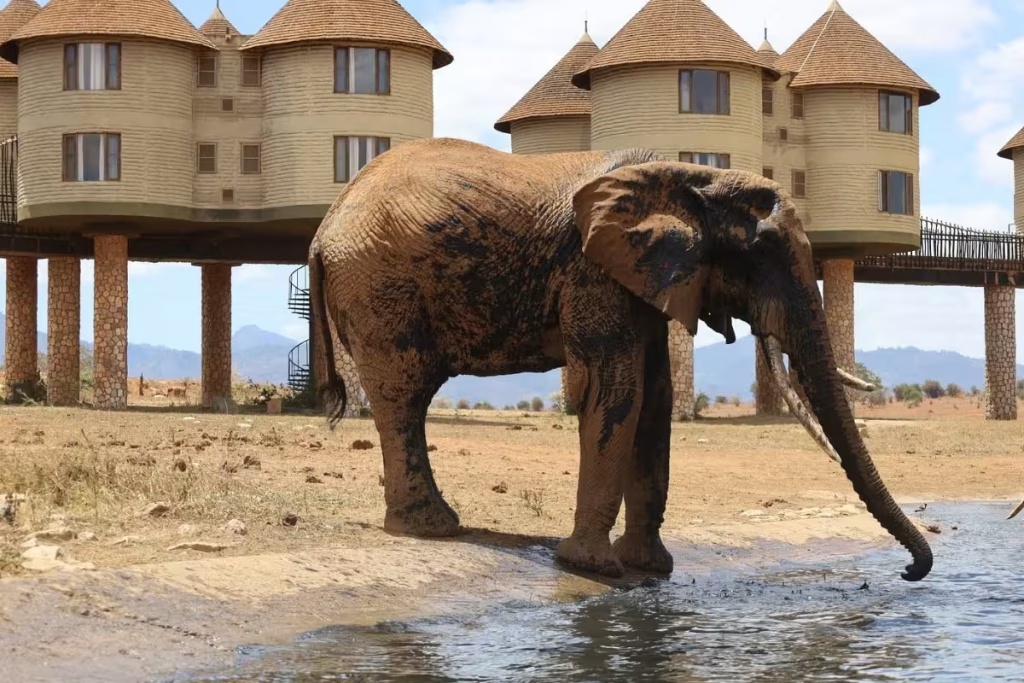
Tsavo East is known for its “red elephants,” a look that comes from the herds dusting themselves in the park’s iron-rich soil, along with buffalo, lion (including males with little or no mane, a trait unique to this population), hippo and crocodile along the Galana River, plus giraffe, zebra, waterbuck and gerenuk. Rhino sightings here are possible but uncommon.
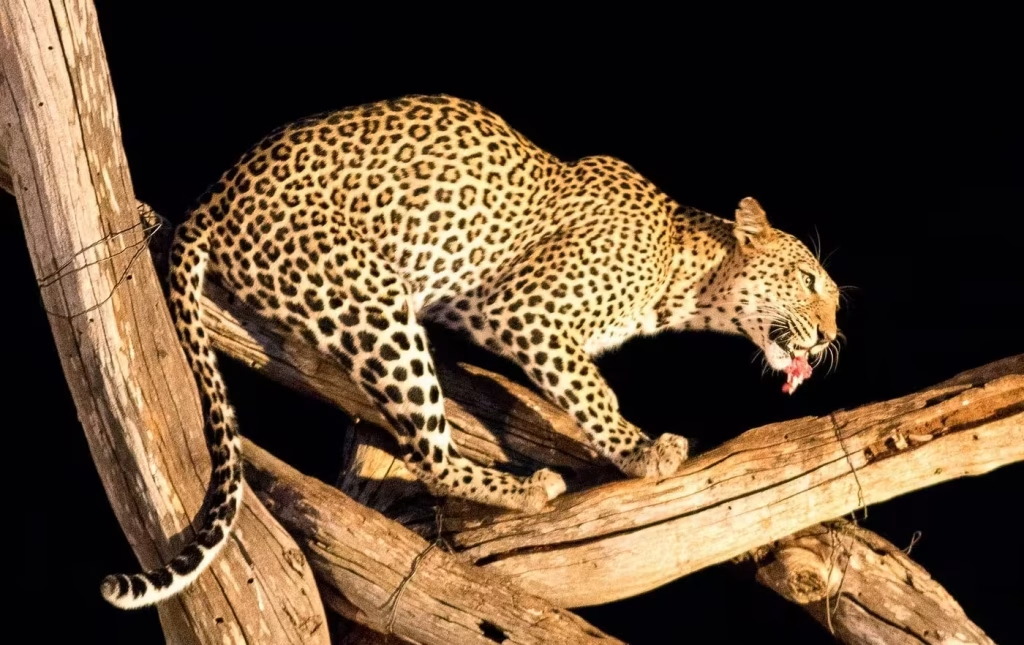
Tsavo West holds four of the Big Five, elephant, buffalo, lion and leopard, alongside a strong population of black rhino protected within the fenced Ngulia Rhino Sanctuary. Mzima Springs draws hippo and crocodile into clear, spring-fed water, and cheetah, giraffe, zebra, eland and fringe-eared oryx are all regularly seen across the park’s varied terrain. Bird life is excellent in both parks, with around 500 species recorded across the wider Tsavo ecosystem.
Best Time to Visit Tsavo
June to October and January to February: the dry months across both parks, when wildlife gathers predictably around permanent water like the Galana River and Mzima Springs.
November to December and March to May: the rainy seasons. Tsavo West gets noticeably more rainfall than Tsavo East, so expect greener scenery and more spread-out wildlife during these months.
Early morning and late afternoon: the best light and coolest temperatures for game drives in both parks.
Top Safari Experiences in Tsavo
In Tsavo East:
- Game drives along the Galana River, where elephant, hippo and crocodile gather
- Lugard Falls, where the river carves through smooth, sculpted rock
- Mudanda Rock, a natural outcrop with wide views over a waterhole below
In Tsavo West:
- Mzima Springs, with an underwater viewing chamber for watching hippo and fish beneath the surface
- Ngulia Rhino Sanctuary, your best chance in the region of seeing black rhino
- The Shetani Lava Flow and Chaimu Crater, striking volcanic landscapes you can walk out onto